Understanding the Environmental Impact of Excavation and How We Mitigate It Feb 25, 2026
Excavation involves the removal of soil, rock, and other materials from a site to prepare for construction. This process, while essential, can disrupt ecosystems, affect local wildlife, and contribute to soil erosion. For instance, the removal of vegetation can lead to a loss of habitat for birds and small mammals, while displacing soil can increase sedimentation in nearby water bodies, affecting aquatic life.
One of the primary ways Bryant's Land Services minimizes these environmental impacts is through careful planning and site assessment. Before any digging or earth-moving begins, a detailed evaluation of the site is conducted to identify potential environmental risks and sensitive areas. This helps in creating a plan that limits disturbance to the local ecosystem and minimizes the area affected by excavation.
Moreover, erosion control measures are a vital part of our strategy to protect the environment. By installing barriers such as silt fences, sediment basins, and other erosion control devices, we prevent loose soil and sediment from washing into local streams and rivers. This not only protects water quality but also safeguards aquatic habitats and the species that depend on them.
Another important aspect of mitigating the environmental impact of excavation is the management of construction waste. At Bryant's Land Services, we emphasize recycling and reuse wherever possible. Materials such as concrete, wood, and even soil can often be repurposed or recycled, reducing the need for new resources and minimizing the volume of waste that ends up in landfills.
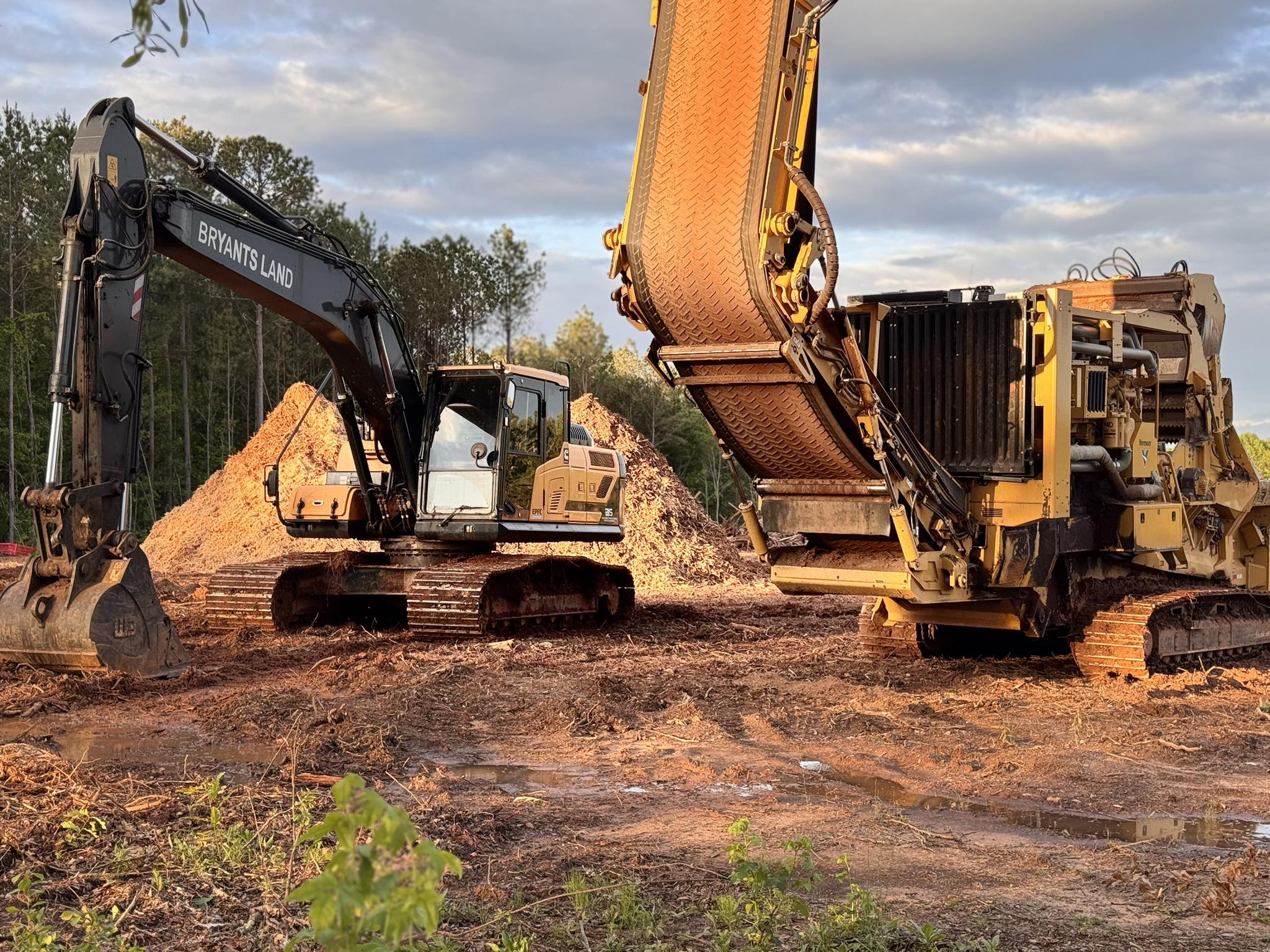
The use of advanced technologies also plays a crucial role in reducing the environmental footprint of our excavation activities. Equipment with the latest emission-reduction technologies and efficient fuel use helps lower greenhouse gas emissions during operations. Our commitment to using such equipment reflects our dedication to sustainable practices and environmental responsibility.
Proper site restoration is another significant factor in our mitigation efforts. Once excavation and construction are complete, we focus on returning the site to a natural or improved state. This often involves replanting native vegetation, which not only helps stabilize the soil and control erosion but also restores habitats for local wildlife.
Communication with clients and all stakeholders is crucial in our approach to managing excavation's environmental impact. Keeping everyone informed about our practices, potential impacts, and the measures we are taking encourages greater environmental consciousness and collaboration toward sustainability goals.
In conclusion, while excavation is a necessary component of many construction projects, it is crucial to be aware of the potential environmental impacts. At Bryant’s Land Services, we are committed to employing best practices that minimize these impacts through careful planning, effective waste management, and the latest technology. Our dedication to sustainable excavation ensures that development can continue without compromising the health and vitality of our natural environment. By prioritizing these practices, we not only fulfill our obligations to the projects we undertake but also to the planet we all share.
/filters:no_upscale()/filters:format(webp)/media/24bba7a9-eae7-4d16-860f-d6e5c3ad9841.jpeg)
/filters:no_upscale()/filters:format(webp)/media/d0c85b57-3066-495a-82cc-480dd3de84d3.jpg)